


Why Window Repair Is the Key to Lowering Your Heating and Cooling Bills
An increasing number of homeowners are recognizing the importance of window repair in reducing energy costs. Well-maintained windows can drastically cut down on heating and cooling bills by improving the energy efficiency of a home. The energy inefficiencies of old windows present significant opportunities for homeowners to improve their entire home's environment. Tackling these inefficiencies is not just about comfort but also about making a substantial economic and environmental impact across the property.
Windows serve as barriers against external temperature fluctuations, contributing to a stable indoor environment. When they are not well-maintained, they become significant sources of energy loss, straining both HVAC systems and household budgets. Addressing these common problems through focused maintenance can significantly bolster a home's defense against rising utility costs. Property owners often ignore tiny hairline cracks or small drafts, realizing only later that these minor issues culminate in massive financial drains over the course of a single season.
Understanding the Energy Inefficiencies of Aging Windows
Windows play a crucial role in maintaining the thermal envelope of a residential structure. According to the US Department of Energy, windows are responsible for about 25% to 30% of a home's heating and cooling energy use due to heat gain and loss. This statistic underscores the vital role windows play in energy dynamics within a household, making regular inspection and maintenance a top priority for budget-conscious property owners who wish to keep their expenses minimal.
Aging structures often suffer from deteriorating seals, cracked glass, and worn-out weather stripping that aggravate structural energy waste. When seals fail, moisture can seep between the panes, creating condensation and reducing the overall insulating effectiveness. Undertaking a timely window repair can restore functionality, offering immediate benefits in both insulation quality and indoor temperature regulation. Neglecting these visible signs usually leads to advanced wood rot and eventual frame failure, multiplying the eventual restoration costs.
Air leaks around frames cause heating and cooling systems to operate more frequently, leading to higher utility bills and uneven interior temperatures. Implementing caulking and weather stripping techniques can seal these small gaps effectively, preventing draftiness while extending the lifespan of HVAC equipment. Prioritizing these targeted solutions ensures immediate returns in energy savings and environmental resource conservation. A localized approach allows homeowners to fix targeted problem zones rather than purchasing entirely new fixtures prematurely.
Sealing and Caulking for Improved Insulation
One commonly overlooked aspect of maintaining building envelopes is effective sealing and caulking. These methods provide a long-lasting solution to preventing air leaks and improving a window's insulating properties. Sealing involves filling gaps to ensure that air does not pass through unwanted places, drastically reducing potential heat loss, while caulking provides a watertight seal that blocks moisture infiltration along the external borders.
Materials used for sealing nowadays come with greater longevity and flexibility to accommodate slight shifts in the frame over time. Silicon-based caulks provide excellent durability, protecting the interior environment from outside elements while enhancing overall climate consistency. Through these simple yet effective upgrades, homeowners can experience immediate financial benefits with minimal technical expertise required. It represents one of the most accessible avenues for quick home improvement.
Over several seasons, shifting foundations and seasonal temperature changes cause micro-gaps to form around the casing. If left unchecked, these tiny pathways allow conditioned indoor air to escape rapidly while drawing humid or freezing outdoor air inside. Applying high-grade sealants forms an airtight barrier that actively resists these structural shifts, providing an affordable layer of insulation that works silently around the clock to keep utility meters from spinning out of control.
Replacing Weather Stripping for Better Efficiency
Replacing weather stripping is a straightforward yet highly effective method to improve household operational performance. Weather stripping acts as a barrier to prevent leaks between the moving parts of windows, though these materials degrade over time due to weather exposure. By replacing worn-out components, property owners significantly reduce drafts and maintain a more consistent indoor climate without constantly adjusting the thermostat.
Various types of weather stripping are available, including rubber, felt, and foam, each offering different levels of insulation and durability. Newer materials deliver enhanced performance characteristics, such as better fit and resistance to environmental degradation. Updating these materials is a small, cost-effective step towards achieving better window functionality and reducing the stress associated with constant airflow. Choosing the correct material for your specific window design yields optimal seals.
When weather stripping flattens or cracks, it creates direct paths for thermal transfer right along the operable sashes. This degradation forces the household furnace or air conditioner to work in overdrive to compensate for the constant influx of external air. Replacing these old elements restores the original compression seal of the window, ensuring that when the sash is closed, it remains locked tightly against the elements for maximum thermal protection.
Utilizing Glass Replacement and Double Glazing
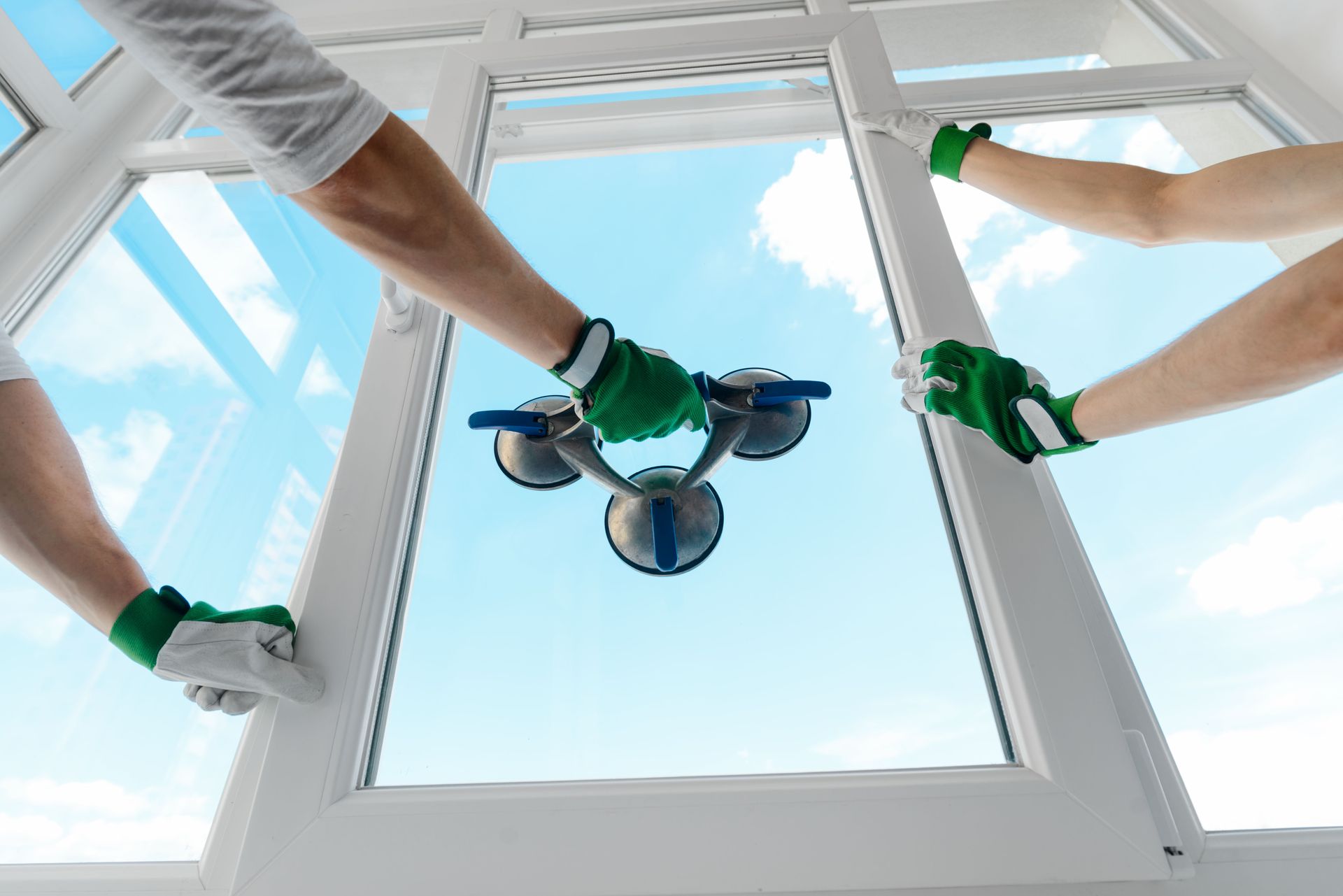
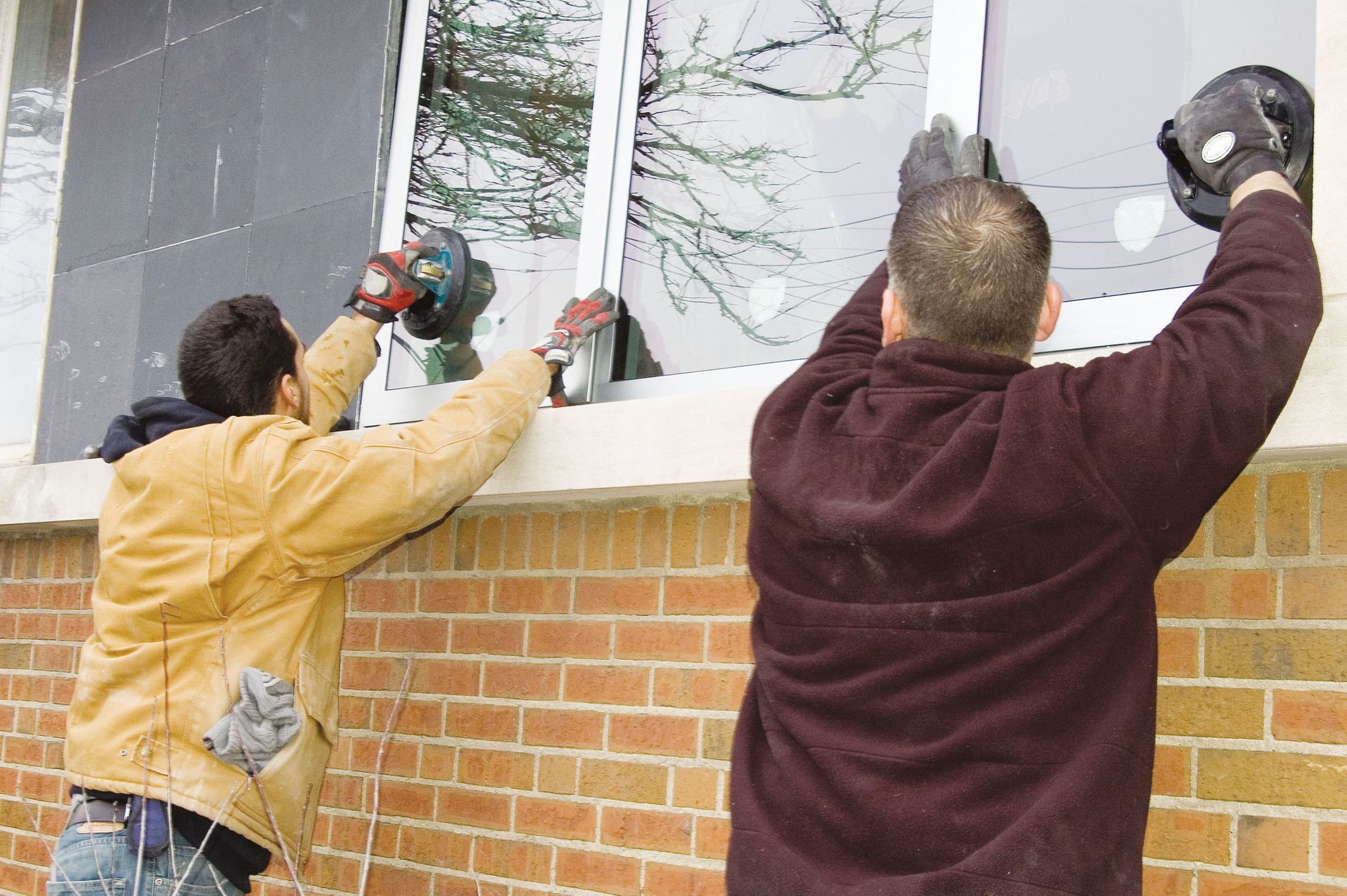
Deciding to replace window glass, especially with a double-glazing option, can be a game-changer for residential properties. Double-glazed systems feature two layers of glass with a space between them, typically filled with inert gas for enhanced thermal insulation. This setup prevents the loss of heat in winter and excessive gains in summer, lowering energy usage for year-round climate control.
High-performance glass types come with advanced coatings designed to reduce solar heat gain and increase ultraviolet protection. While glass replacement incurs a higher initial cost compared to minor patchwork, the accumulated energy savings over time can be substantial. The dual benefits of aesthetic clarity and operational performance make glass upgrades a valuable investment for long-term sustainability. It upgrades the unit without modifying the underlying structural wall.
Single-pane glass offers almost no resistance to radiant heat transfer, turning your windows into major thermal weak points during peak summer and winter months. By incorporating multi-pane technology or low-emissivity glass options during a window repair project, you effectively place a transparent shield over your living areas. This barrier reflects harsh solar rays away during hot afternoons while bouncing precious indoor warmth back into the living space during freezing nights.
Repairing Frames to Reduce Heat Transfer
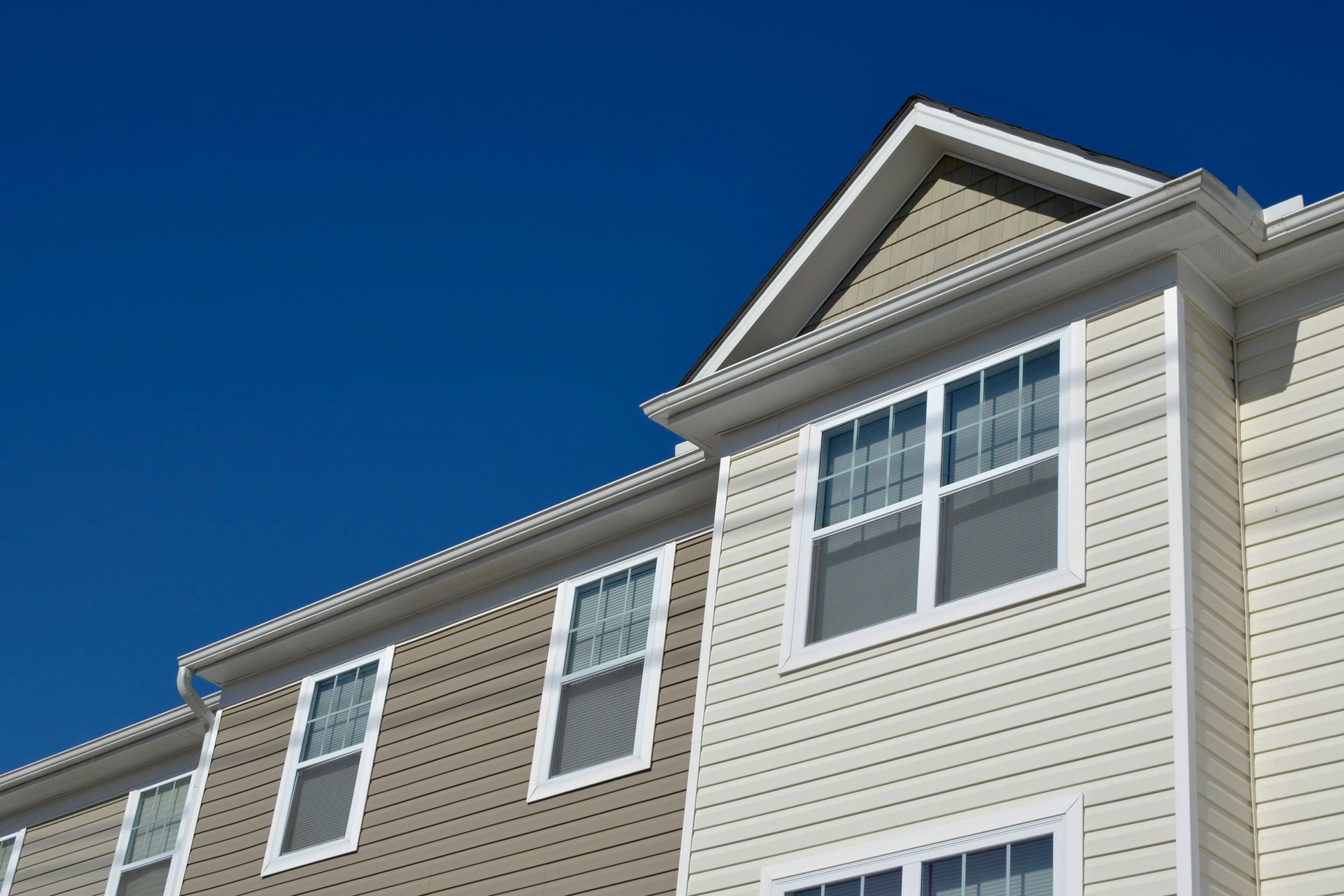
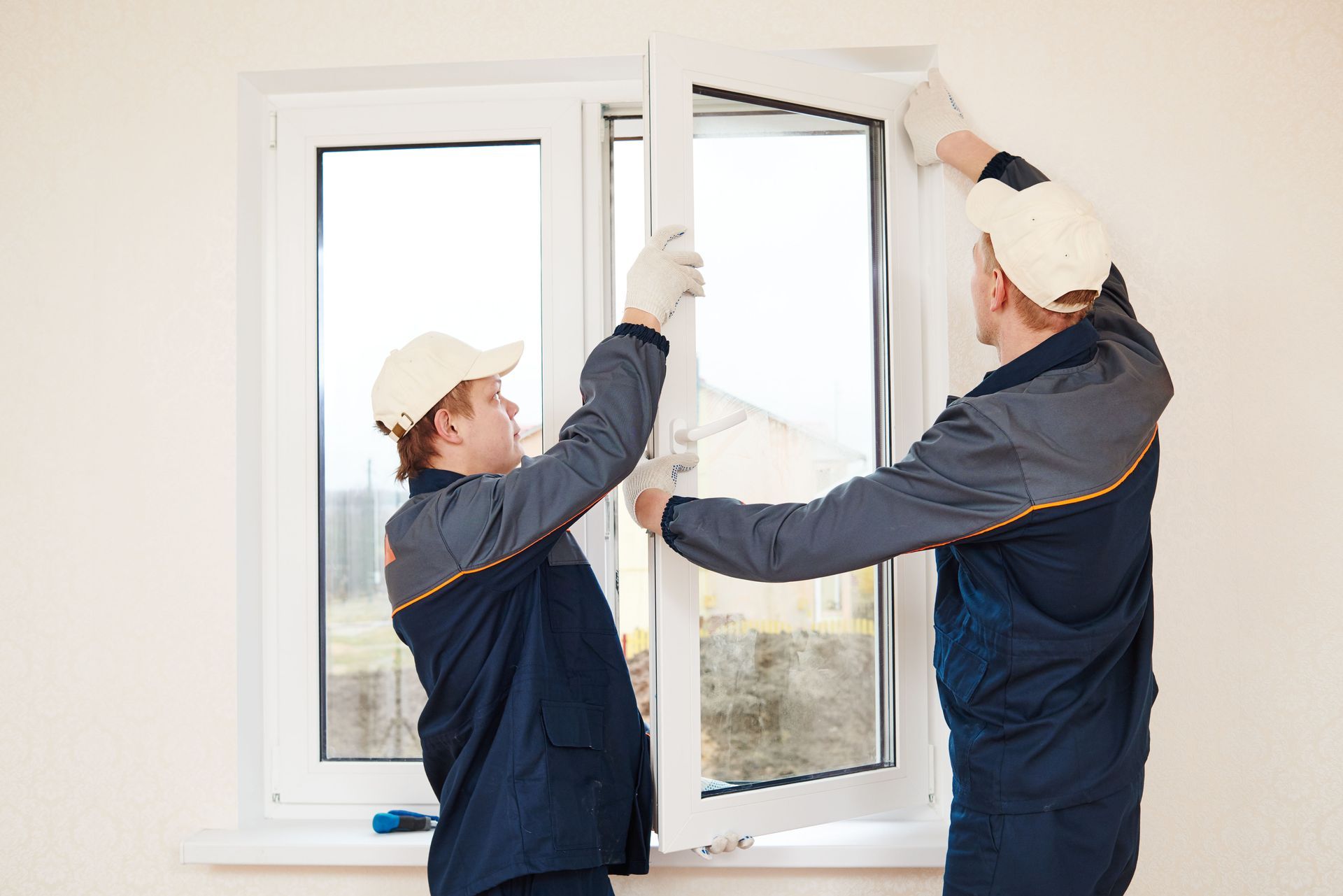
Window frames play a critical role in a window's overall thermal performance, yet aging or broken frames often magnify unwanted heat transfer. Repairing these frames ensures a tighter seal, preventing structural air drafts and moisture infiltration that force HVAC units to work harder. Undertaking frame repairs offers a practical, localized solution to enhance overall window repair strategies without resorting to total replacement.
Different frame materials affect how structures contribute to energy loss or conservation. Aluminum conducts heat quickly, potentially increasing utility costs, whereas wood and vinyl frames offer naturally superior insulating properties. Repairing or replacing damaged framing elements significantly enhances overall energy conservation, stabilizes internal climate control, and strengthens the physical security of the home. Strong frames ensure that the glass panes remain completely stable over their operational life.
Investments made in window maintenance yield benefits that stretch well beyond monthly utility savings. By taking a proactive approach to sealing leaks, replacing weather stripping, and repairing frames, homeowners protect their property value while contributing to a smaller carbon footprint. Understanding the financial implications and potential returns of these improvements enables property owners to make informed choices that support both financial savings and comfortable living conditions. For more information about the services that we offer, reach out to our incredible team at Glass On Time today!
Share On: